
The Custom Cabinet Design Process: From Concept to Installation
Sep 15, 2026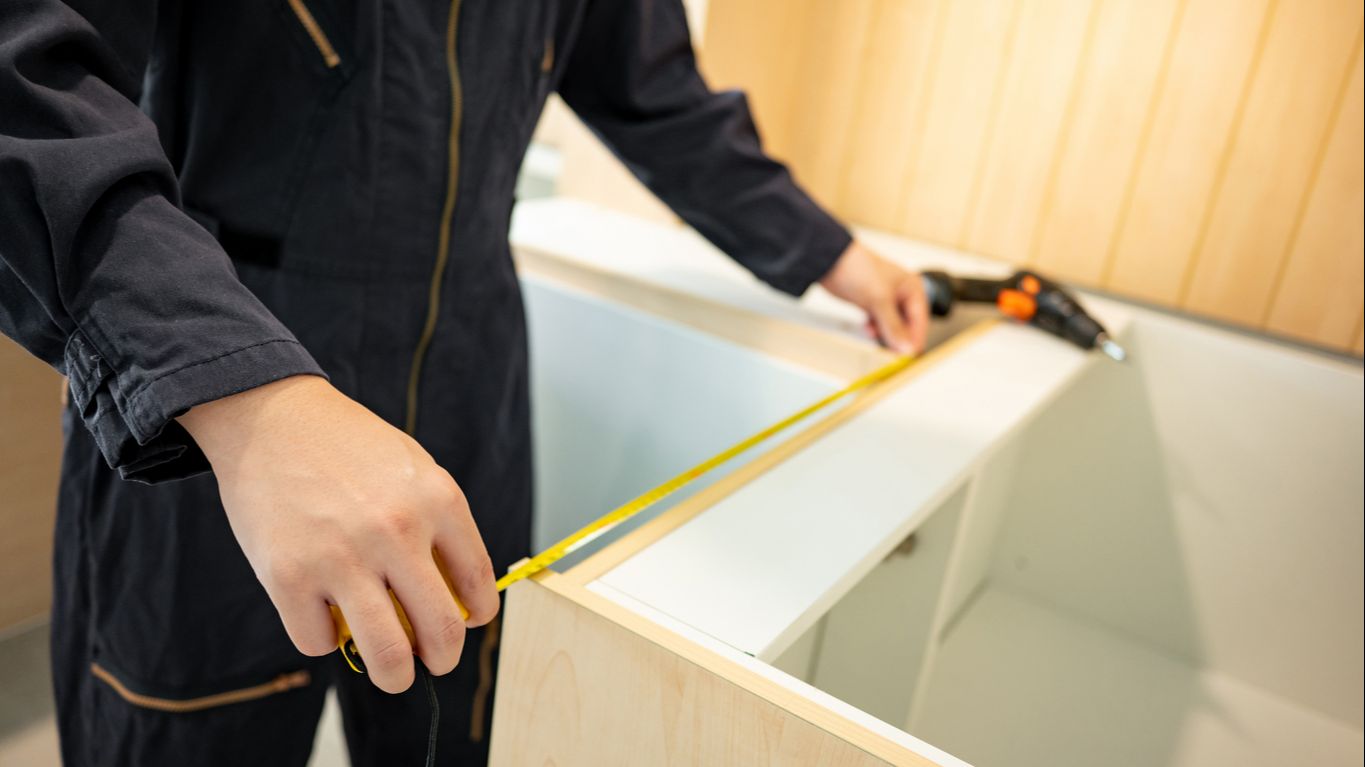
One of the most common questions homeowners ask when considering custom cabinetry is, "What does the process actually look like?"
Whether you're remodeling a kitchen, upgrading a bathroom or creating custom storage solutions throughout your home, understanding the design and installation process can help eliminate uncertainty and set realistic expectations.
While every project is unique, the custom cabinet process typically follows a series of proven steps that ensure the finished product reflects your vision, fits your space and functions beautifully for years to come.
Step 1: Initial Consultation and Project Discovery
Every successful cabinetry project begins with a conversation.
The goal of the initial consultation is to understand how you use your space and what challenges you're hoping to solve.
Topics often discussed include:
- Current frustrations with the space
- Storage needs
- Design preferences
- Lifestyle considerations
- Budget expectations
- Project timeline
For homeowners, this stage is often where ideas begin to take shape. What starts as a desire for more storage often evolves into opportunities to improve organization, workflow and overall functionality.
Step 2: Measuring and Evaluating the Space
Accurate measurements are essential to successful custom cabinetry.
During this phase, detailed measurements are taken to ensure the cabinetry will fit precisely within the available space.
This evaluation may include:
- Room dimensions
- Ceiling heights
- Window and door locations
- Appliance specifications
- Plumbing and electrical considerations
Unlike stock cabinetry, custom cabinets are designed specifically for the space, allowing every inch to be utilized effectively.
Step 3: Design and Layout Development
Once measurements are complete, the design process begins.
This stage transforms ideas into practical solutions.
The layout is developed based on:
- Storage requirements
- Traffic flow
- Daily routines
- Aesthetic preferences
- Long-term functionality
Depending on the project, homeowners may review drawings, renderings or design concepts that help visualize the final result.
This collaborative approach allows adjustments to be made before production begins.
Step 4: Material and Finish Selection
One of the most exciting parts of the process is selecting materials and finishes.
Choices may include:
- Hardwood species
- Paint colors
- Wood stains
- Door styles
- Hardware selections
- Decorative details
The materials chosen play a significant role in both appearance and durability.
Quality custom cabinetry balances beauty with performance, ensuring the finished product stands up to everyday use.
Step 5: Production and Craftsmanship
Once the design is approved, production begins.
This is where skilled craftsmanship and modern technology come together to bring the project to life.
Cabinet components are carefully manufactured using precise processes that ensure consistency and accuracy.
Quality-focused production includes:
- Precise cutting and fabrication
- Detailed assembly
- Finish application
- Quality inspections
Attention to detail during this stage has a direct impact on the final appearance and longevity of the cabinetry.
Step 6: Installation
Professional installation is one of the most important steps in the entire process.
Even beautifully crafted cabinets can underperform if they are not installed correctly.
During installation, cabinetry is carefully positioned, leveled and secured to ensure:
- Proper door alignment
- Smooth drawer operation
- Consistent spacing
- Seamless integration with surrounding finishes
A quality installation creates the polished appearance homeowners expect from custom cabinetry.
Step 7: Final Walkthrough and Project Completion
Before a project is considered complete, a final walkthrough ensures everything meets expectations.
This provides an opportunity to:
- Review workmanship
- Verify functionality
- Address any final questions
- Confirm satisfaction with the completed project
A thorough final review helps ensure homeowners are confident in both the product and the overall experience.
How Long Does the Custom Cabinet Process Take?
Project timelines vary depending on size, complexity and material selections.
Factors that may influence timing include:
- Design revisions
- Material availability
- Project scope
- Installation requirements
While custom cabinetry typically requires more time than purchasing stock cabinets, the result is a solution specifically designed around your home and your lifestyle.
Benefits of Following a Structured Process
A well-defined process provides several important benefits.
Better Communication
Clear expectations reduce surprises and help keep projects moving smoothly.
Improved Design Outcomes
Taking time to understand how a space will be used often leads to more thoughtful solutions.
Greater Accuracy
Detailed planning and measurements minimize installation challenges and ensure a better fit.
Higher Customer Satisfaction
When homeowners understand each step of the journey, they are more confident and engaged throughout the project.
Why Process Matters in Custom Cabinetry
Great cabinetry is about more than materials and craftsmanship. It is also about communication, planning and execution.
A reliable process helps ensure projects stay organized, expectations remain clear and the final product delivers lasting value.
At Charis Woodworking, every project is guided by a commitment to understanding the customer's needs, identifying the best solutions and delivering quality results with integrity and care. Through thoughtful design, dependable processes and a focus on relationships, the goal is to create cabinetry that exceeds expectations and serves families well for years to come.
Frequently Asked Questions
How long does it take to build custom cabinets?
The timeline depends on project size, complexity and material availability. Most projects require time for design, production and installation.
Can I make changes after the design phase begins?
In many cases, yes. However, making changes earlier in the process is typically easier and helps avoid delays.
Are custom cabinets worth the investment?
Custom cabinets provide personalized storage, improved functionality and long-term durability that many homeowners find valuable.
What rooms benefit from custom cabinetry?
Kitchens, bathrooms, mudrooms, laundry rooms, home offices, entertainment centers and closets can all benefit from thoughtfully designed custom cabinetry.
Ready to Start Your Project?
Whether you're planning a kitchen renovation, custom closet or built-in storage solution, Charis Woodworking is ready to help bring your vision to life.
Contact us today for a free evaluation and quote.
Charis Woodworking is ready to partner with you on your project.
Send us a message using the form below or contact us at 205.669.2766 for a free evaluation and quote.
We hate SPAM. You can trust us with your information.
